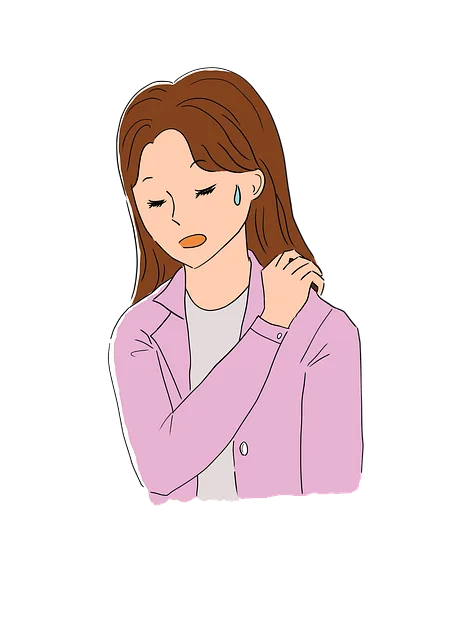
If you spend long hours on your computer or looking down at your phone, you may suddenly notice that your shoulders feel tight and heavy. Shoulder stiffness is a common problem for many people today.
In this article, you’ll learn effective ways to relieve stiff shoulders, along with practical English phrases you can use in daily life.
Let’s relax your muscles and boost your English skills at the same time.
1. Understand the Cause
Shoulder stiffness often comes from tense muscles and poor blood circulation due to holding the same posture for too long.
Useful English Phrases:
- “My shoulders feel so stiff.”
- “I’ve been sitting for too long.”
2. Do Simple Stretches
Just a minute of stretching can ease discomfort.
(1) Shoulder Rolls
Gently rotate your shoulders forward and backward about 10 times each.
Phrase:
- “I’ll do some shoulder rolls.”
(2) Neck Stretch
Tilt your head toward one shoulder and hold for 20 seconds. Switch sides.
Phrase:
- “Let me stretch my neck a bit.”
3. Warm Up Your Shoulders
Applying heat helps loosen tight muscles and improve blood flow.
Recommended methods
- Warm towel
- Bath
- Heat pack (use moderately)
Phrase:
- “A warm towel helps relieve stiffness.”
4. Improve Your Posture
Good posture reduces the strain on your shoulders.
Posture Tips
- Keep your screen at eye level
- Sit back in your chair
- Relax your shoulders
- Keep your knees at 90 degrees and feet flat
Useful Phrases:
- “I need to fix my posture.”
- “Don’t hunch over your desk.”
5. Make Exercise a Habit
Regular movement helps prevent stiffness.
Easy exercises
- Walking
- Yoga
- Light shoulder-blade workouts
Phrase:
- “Regular exercise prevents stiff shoulders.”
6. Take Short Breaks
Muscles become stiff when you stay in the same position too long.
How to take effective breaks
- Stand up every 30–60 minutes
- Take deep breaths
- Move your shoulders gently
Useful Phrases:
- “I’ll take a quick break.”
- “I need to stretch during work.”
7. When to See a Professional
If your stiffness doesn’t improve, or if you have headaches or numbness in your arms, consider consulting a professional.
Phrase:
- “I should see a professional.”
Summary
- Stretch your shoulders
- Warm them up
- Improve your posture
- Exercise regularly
- Take short breaks
- Seek help if symptoms persist
Small daily habits can make a big difference.
Start today—and keep both your shoulders and your English skills in great shape!